What We Do
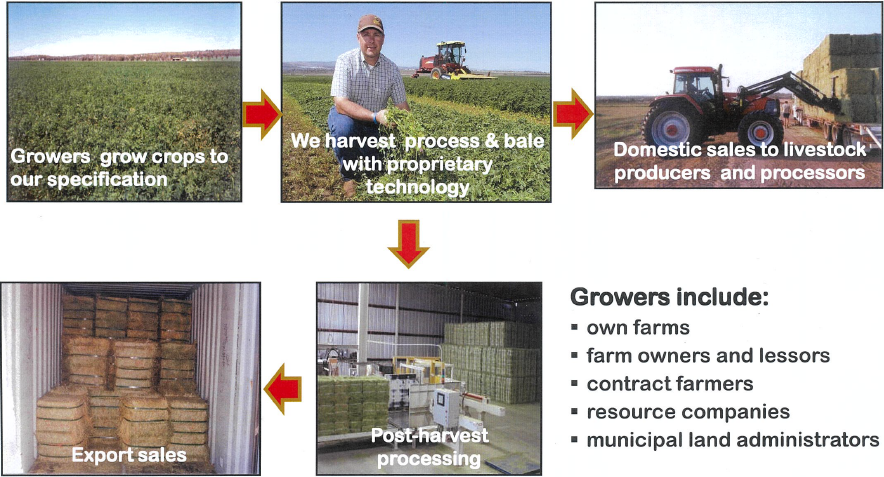
The company has developed an effective method of producing and supplying lucerne hay, also known as alfalfa hey, – the Fodder King way – that opens the way for it to transform fodder from a fragmented and localised craft into a global-scale agricultural industry. This is made possible by its industry knowledge, proprietary technology, experience and know-how.
We have incorporated these technologies and knowhow into agribusiness where it:
- acquires standing crops from its own production division or contract growers;
- harvests, processes, markets and distributes hay, haylarge or silage products; or
- transforms some of the hay into secondary processed fodder products.
A second arm of the business undertakes a range of environmental consulting services such as the passive treatment and beneficial-use of wastewater and site rehabilitation which can be directed to growing forage crops. Other business arms are also possible.
| Crop | Useable protein yield (Kg/ha/yr) | Index |
|---|---|---|
| Fodder King-made lucerne hey (Nth Aust) | 4500 | 10.9 |
| Fodder King-made lucerne hay (NSW) | 2500 | 6.1 |
| Ordinary lucerne hay (typical industry NSW) | 1560 | 3.8 |
| Soybean | 1535 | 3.7 |
| Maize | 1040 | 2.5 |
| Rice | 800 | 1.9 |
| Wheat | 510 | 1.2 |
| Lupins/Chickpeas/Quinoa/Chia | 680/390/310/260 | 1 |
High-nutrient Fodder Business
The average irrigated lucerne fields in Australia are only small and in the range of 25-40 hectares. It is simply not a broadacre industry. This small scale predominates because, without out combined OP, no significant economy of scale benefits have been available to our competitors. Made traditionally, lucerne hay production requires great care and can only be done well during a short production window each day if the aim is to produce a quality, high-nutrient, product.
Through the introduction of new techonlogy and knowhow, we can operate at a greater scale (20-30 times greather than done tradtionally) while at the same time producing a more consistent quality product.
In tonnage terms global fodder production is around 5 billion tonnes and second only to coal production at over 8 billion tonnes. The market for fodder is:
- very large – both domestically and internationally with Asia-Pacific trade expected to grow well beyond the current AUD$2 billion;
- unsatisfied in its demand for high quality (i.e. high nutrient content) product such as that produced, graded and marketed by the company; and
- ready for a change in a way fodder products are supplied.
Environmental Services
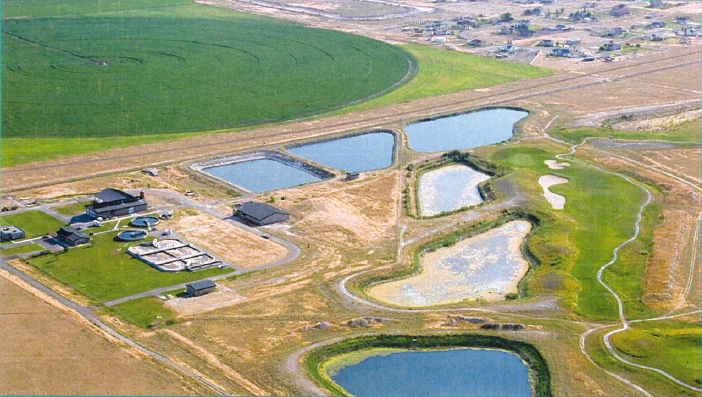
We produce a sustainable, innovative, and soil-able solution to utilise waste water for the benefit of the whole community. Our Solutions are cost competitive and create a low environmental footprint
Beneficial Water Use
Supporting sustainable irrigation through responsible water management.
Sustainable Land Management
Helping improve environmental outcomes while maintaining productive agricultural systems.
Resource Optimisation
Turning available resources into practical agricultural opportunities.
Business Advantages
Through a combination of technological and commercial innovation, the company has developed competitive advantages in producing and selling high-nutrient hay, including:
- more consistent quality;
- higher weighted-average nutritional content and price;
- reduction by about half of the typical 25-30% loss of dry matter during harvest and handling;
- lower unit costs of production;
- more competitive transport and storage unit costs;
- greater profitability;
- possible sale of soil carbon credit units;
- brand loyalty through superior product differentiation; and
- lower commercial risks for the company, its suppliers and customers.
Making A Difference
Addressing livestock productivity and drought
Australian history is peppered with folklore about droughts and, as a nation, we have never really come to grips with it but has a 21″ Century solution. The past 130 years of Australian rainfall statistics show that drought is both normal and inevitable. Yet most of our livestock-based industries seem to be surprised by the onset of drought and spend large parts of their time “hoping” for rain to get them from one year to the next.
Our high nutrient fodder production, undertaken in strategic locations around Australia that take advantage of new or underutilised water resources, would make a big impact on, not only enabling Australian livestock industries to survive droughts but to dramatically increase their productivity and thus their economic output – in spite of drought.
Creating regional jobs and economic development in Northern Australia
We could generate regional growth and create thousands of jobs that would be:
- long term and sustainable – not just short term construction or transient mining-related jobs;
- in some of the highest unemployment areas in outback Australia;
- in regions where it is most difficult to attract new industry and generate new jobs;
- skilled jobs requiring a mix of tertiary and technical training; and
- available to youth, ex-defence force personnel and indigenous people.
Addressing energy conservation and greenhouse gas emissions
As the company increases production of high-nutrient fodder, it could play an increasingly significant role in helping to reduce transport and livestock-based greenhouse gas emissions.
Energy efficiency and greenhouse gas reduction benefits would come principally from the following separate but related sources.
- Production of denser hay formats from its in-field processing operation would mean achieving the payload capacity of trucks, trailers or wagons rather than being constrained by their volumetric capacity as is the case with traditionally made hay products, thus reducing fuel consumption by up to 60% per tonne of protein delivered.
- Producing large volumes of high-nutrient hay in Australia, and particularly in Queensland where there is a large livestock population, rather than importing it from interstate in drought periods, would significantly reduce the transport distance and hence freight costs and transport fuel consumption per tonne of protein delivered by up to 90%.
- When exporting high-nutrient fodder from ports such as Darwin, Cairns, Townsville or Gladstone we would have very significant advantages over international competitors in terms of travel time and distance, energy usage and subsequent GHG emissions from shipping.
- CSIRO and others have shown that bovine methane production can be reduced by up to 80% by feeding cattle a balanced diet (such as high quality leguminous hay) in preference to the poor quality pastures typical of northern Australia. Methane is 25 times more potent as a greenhouse gas than carbon dioxide and livestock methane emissions account for a significant 13% of Australia’s current greenhouse gas production.
- Deep-rooted perennial legumes used for fodder production (such as our current mainstay lucerne) sequester carbon dioxide and nitrogen at a rate per hectare rivalling that of trees and additional revenue opportunities are available under the Australian Carbon Credit Units initiative.
Lowering Great Barrier Reef Threats
The availability of a large fodder supply in Northern Australia would reduce overstocking and environmental damage resulting from the pasture degradation that occurs with each dry season (or drought) and the subsequent wet season mobilization of eroded soils into streams. The result would be reduced erosion and lower stream sediment loads. Much of this sediment that spills into the Great Barrier Reef (GBR) marine park is considered to be a major cause of damage to the GBR. Our proposed new production projects would make it practical and economically beneficial to adapt to an alternative livestock feeding system, rely less on poor quality pastures, thus helping to bring about an alternative vision for the production of livestock in Northern Australia. A single hectare of Fodder King lucerne hay production could improve the sustainability of around 525 hectares of typical grazing country in northern Australia. This would provide a practical and lasting solution to protect the Great Barrier Reef
Enhancing the viability of large existing industries
Tourism Industry
The AUD$4 Bn tourism industry of tropical north Queensland, employing approximately 20,000 people, relies heavily on visitors to the Great Barrier Reef (GBR). The land degradation and sedimentation pollution in the major river catchments emptying into the GBR marine park have been identified as one of the most significant risks to the ongoing health of the GBR. Es fodder production, through the widespread use of deep rooted perennial legumes, would help to bring about a switch in land use in the key catchments and contribute to reductions in land degradation caused by cattle grazing and thus the long term health of the GBR and its ongoing viability for tourism purposes.
Beef and dairy industry
Through the high-nutrient fodder business, we would be able to proactively assist livestock industries, including in Northern Australia, to adopt feeding strategies that place less reliance on poor quality pastures so that this industry can grow and take advantage of increasing export demand for meat protein, irrespective of the ongoing threat of regular dry seasons, low nutritional value native pasture and droughts.
Taking healthy food to Asia
Our principal fodder crop (lucerne) is one of the most productive and environmentally sustainable crops in the world, producing outstanding protein yield efficiency of up to 4,500 kg of protein per hectare per year and using a miserly 4 litres of water for each gram of plant protein produced. This protein yield performance is only made possible through a combination of company IP, the dry tropics of Northern Australia with its dry warm climate, irrigation water and close proximity to significant plant protein demand in Asia.
FK’s high quality lucerne is packed full of nutrition and can be used by both animals and humans. Notable nutritional characteristics include:
- Unconcentrated Protein up to 28%;
- High in vitamins A (beta-carotene), E, K
- Vitamin C – 4 times greater than citrus fruit;
- High in calcium – important for bone growth;
- Highly digestible – minimal methane waste;
- Excellent fatty acid balance (Omega 6:Omega 3 ratio) – linked to lower risks of cancer, heart disease, diabetes and mental disorders;
- High in metabolisable energy- as good as grains;
- Gluten free advantage over grains;
- Non allergenic;
- Free of genetically modified organisms – unlike soya-based products for example;
- Good anti-oxidant characteristics; and
- High in lutein – good for eye health.
Participation in carbon farming
Company-controlled production projects would be eligible for additional revenue resulting from initial soil upgrades when we develop new properties and then subsequent soil organic carbon deposition by deep rooted perennials.
Project Development
We develop practical environmental solutions that support sustainable agriculture, responsible land management, and beneficial resource use. Our work focuses on creating long-term environmental and economic value through innovation and collaboration.
Agricultural Projects
e.g. Northern Australia
Environmental Initiatives
Minimising our environmental footprint
Industry Collaboration
A good fit with community keeps for long term quality jobs
Project Highlights
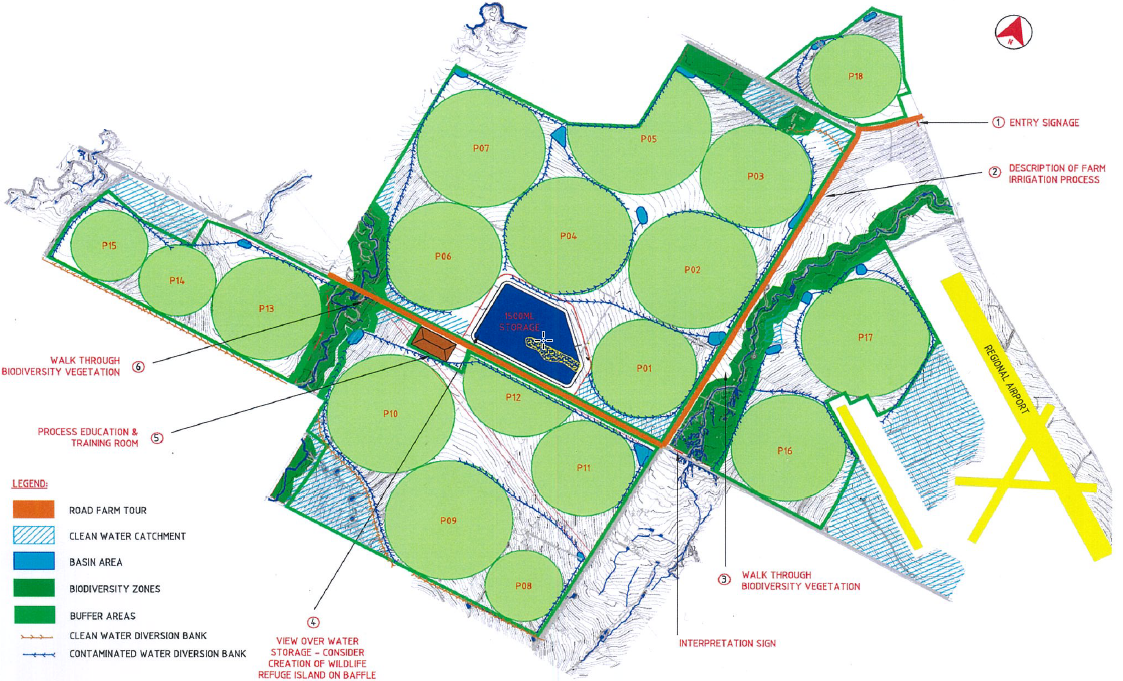
Municipal wastewater: Innovation in beneficial re-use
Capturing storm-water run-off, roads and other rights of way, powerline easements and relocations, protection of remant flora & fauna habitat, spray drift buffer zones, wind speed controls.
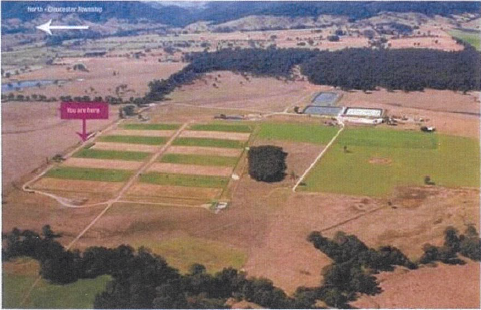
Coal Seam Gas Water: Innovation in soils, agronomy, monitoring & reporting
AGL Gloucester project - featuring FK's CSG water solution
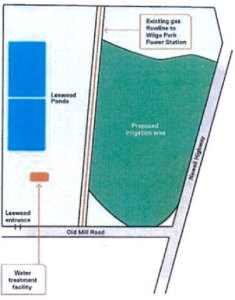
Coal Seam Gas Water: Impacting water treatment strategy
FK influence on Santos Narrabri Project adopting beneficial reuse of CSG wastewater
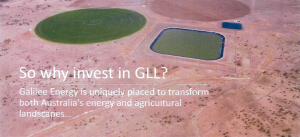
Coal Seam Gas Water: Innovation in beneficial re-use
Galilee Energy Longreach investment promotion featuring out CSG water solution
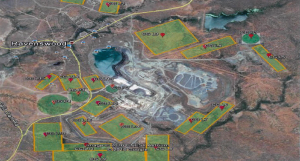
Hardrock mine wastewater: Innovatve plan for beneficial re-use
Resolute Mining Ravenswood Mine
Government & Industry Partnerships
We collaborate with government agencies, regional stakeholders, and industry partners to develop practical solutions that improve agricultural resilience, environmental outcomes, and regional capability.
- Agricultural resilience
- Regional development
- Environmental outcomes
- Community partnerships
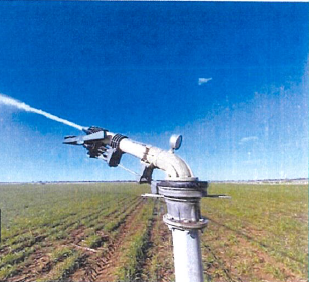
Innovation & Future Opportunities
Business growth and capacity improvements will come from:
- Ongoing Reg
- adoption of “invest pricing” technologies
- moving up the value chain into Alfalfa Protein Concentrate (APC) manufacture, which is in-demand for pet food, and human food ingredients.
- Soil re-growing and farm land remediation.
- geographic desertification
Let's Work Together
Whether you're seeking reliable fodder production, environmental expertise, or a collaborative project partner, we'd love to discuss how Fodder King can support your next initiative.
